
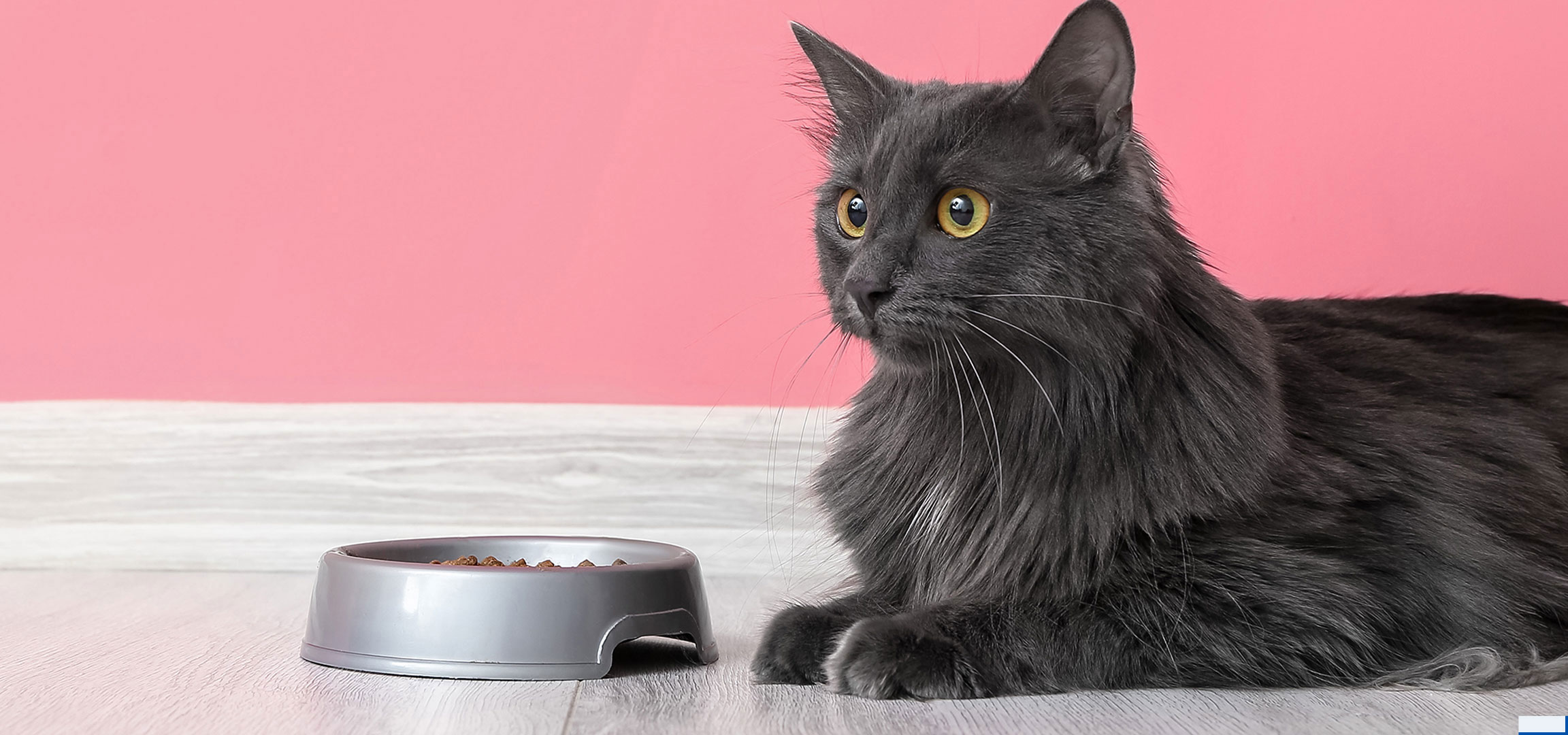
Changing your cat's food: a gentle guide for sensitive paws
Cats love their routine. The warmest spot in the sun, a dedicated cuddle time – and of course, their usual food in the bowl. It's no wonder many of our feline friends are a bit suspicious when something new suddenly appears at mealtime. The good news: with a little patience and the right plan, switching their food can be a stress-free process. Step by step, bite by bite.
Why cats are such fussy eaters
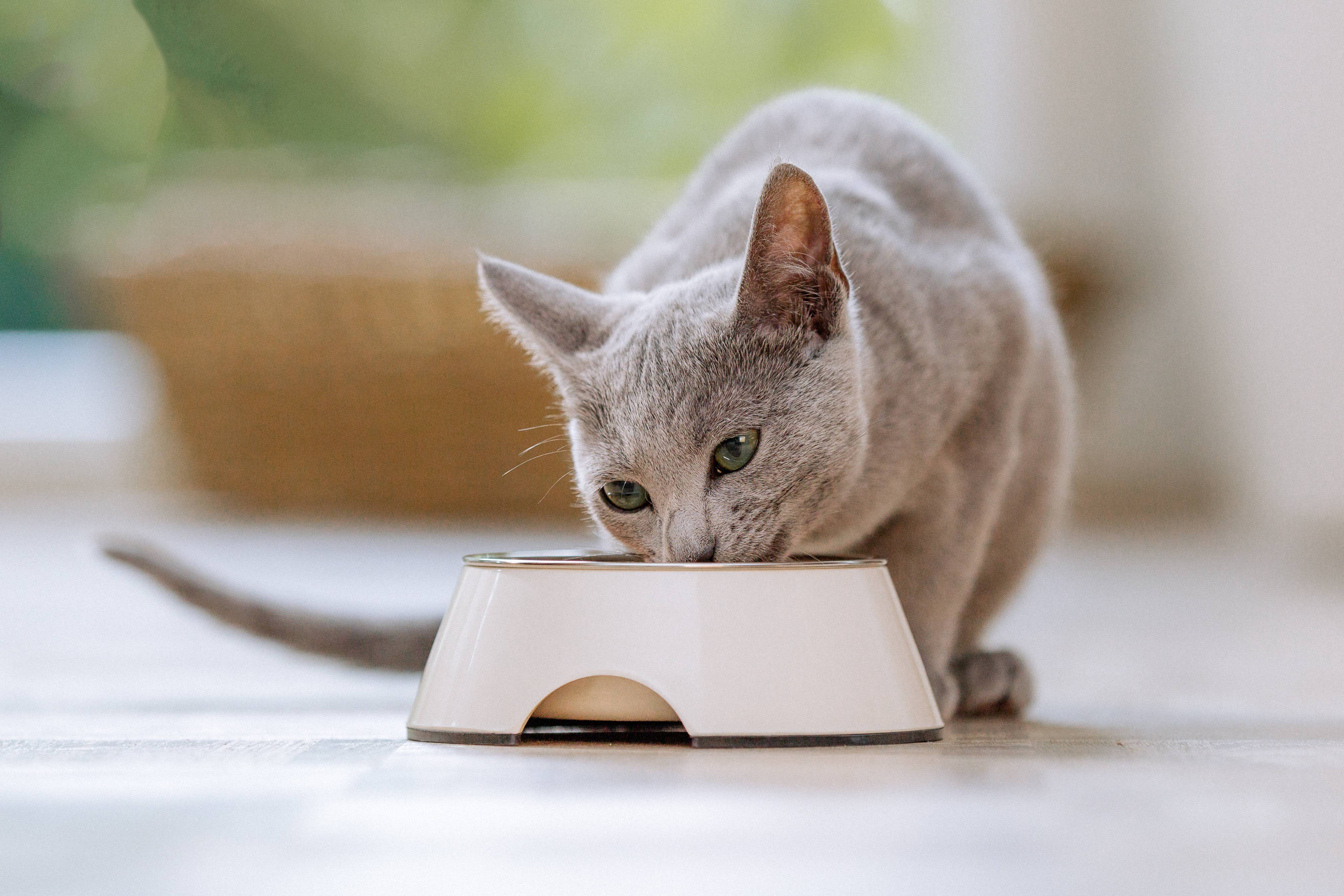
Your cat is a foodie with principles. They check the smell, texture and temperature of their food very carefully – a trait inherited from their ancestors that protected them from spoiled food. What's more, a cat's stomach is sensitive to sudden changes. Switching their food too quickly can upset their digestion. That's why the rule for changing food is: gentle does it.
When it makes sense to change their food
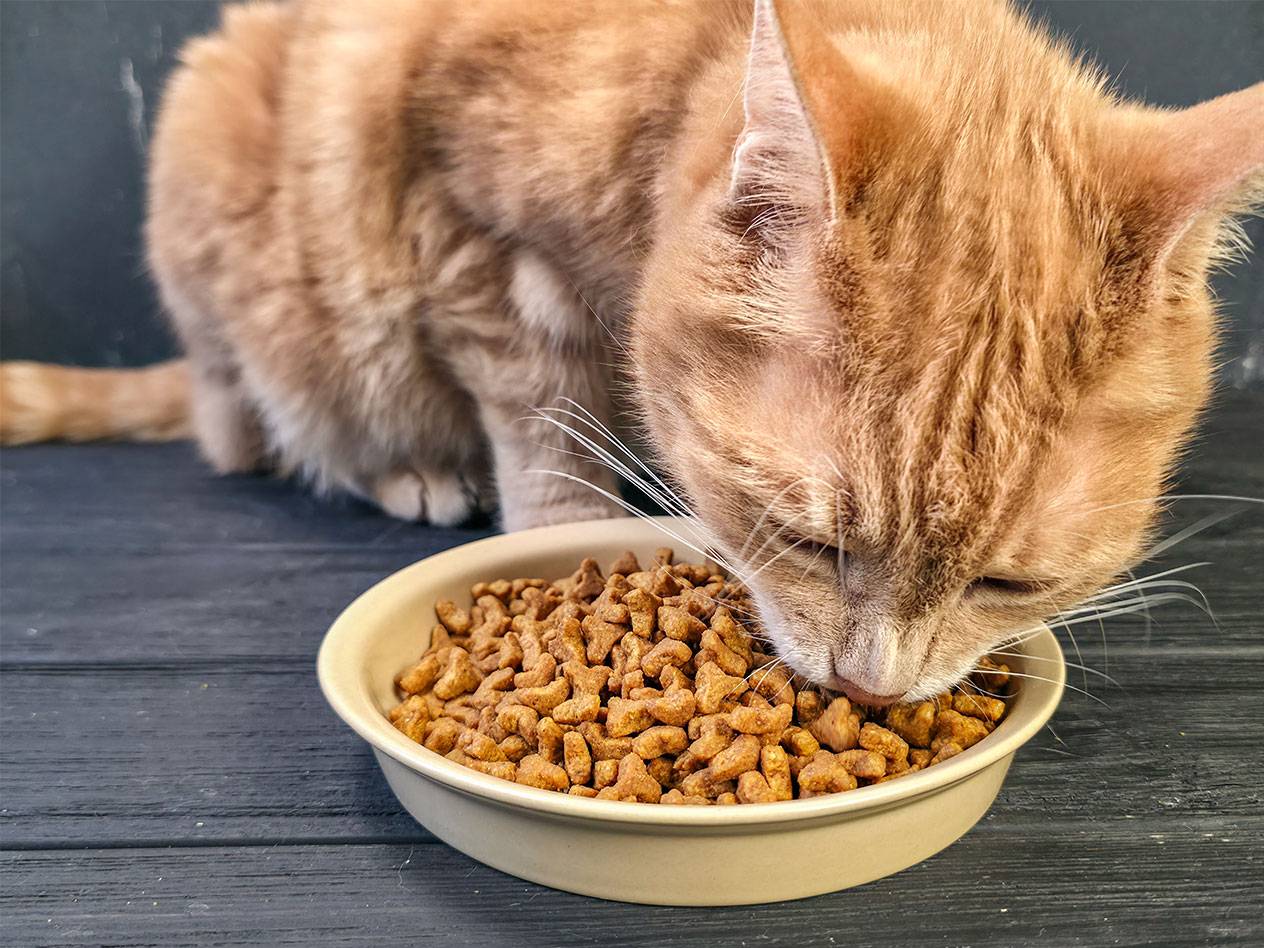
There are good reasons to switch your cat's food: the transition from kitten to adult food, neutering, advancing age or special needs like hairball support. Even if your cat is just turning their nose up at their current food, a fresh approach in their bowl can improve their well-being. Unsure if a change is the right move? Your vet will be happy to help you decide.
The gentle 7-day plan for changing your cat's food
The principle is simple: gradually mix the new food in with the old, giving your cat time to get used to the new taste and texture.
Here’s how to do it
- Day 1–2: 25% new food, 75% usual food
- Day 3–4: 50% new food, 50% usual food
- Day 5–6: 75% new food, 25% usual food
- From Day 7: 100% new food – you’ve done it!
Does your cat need a little longer? No problem. Sensitive cats can take up to two weeks. The important thing is that they get there at their own pace.
Top tips for fussy eaters
- Serve food at room temperature – this helps to release the aroma
- Feed at set times in their usual, quiet spot
- Stay relaxed: cats can sense when you're tense
- Reward curiosity, but don't be pushy
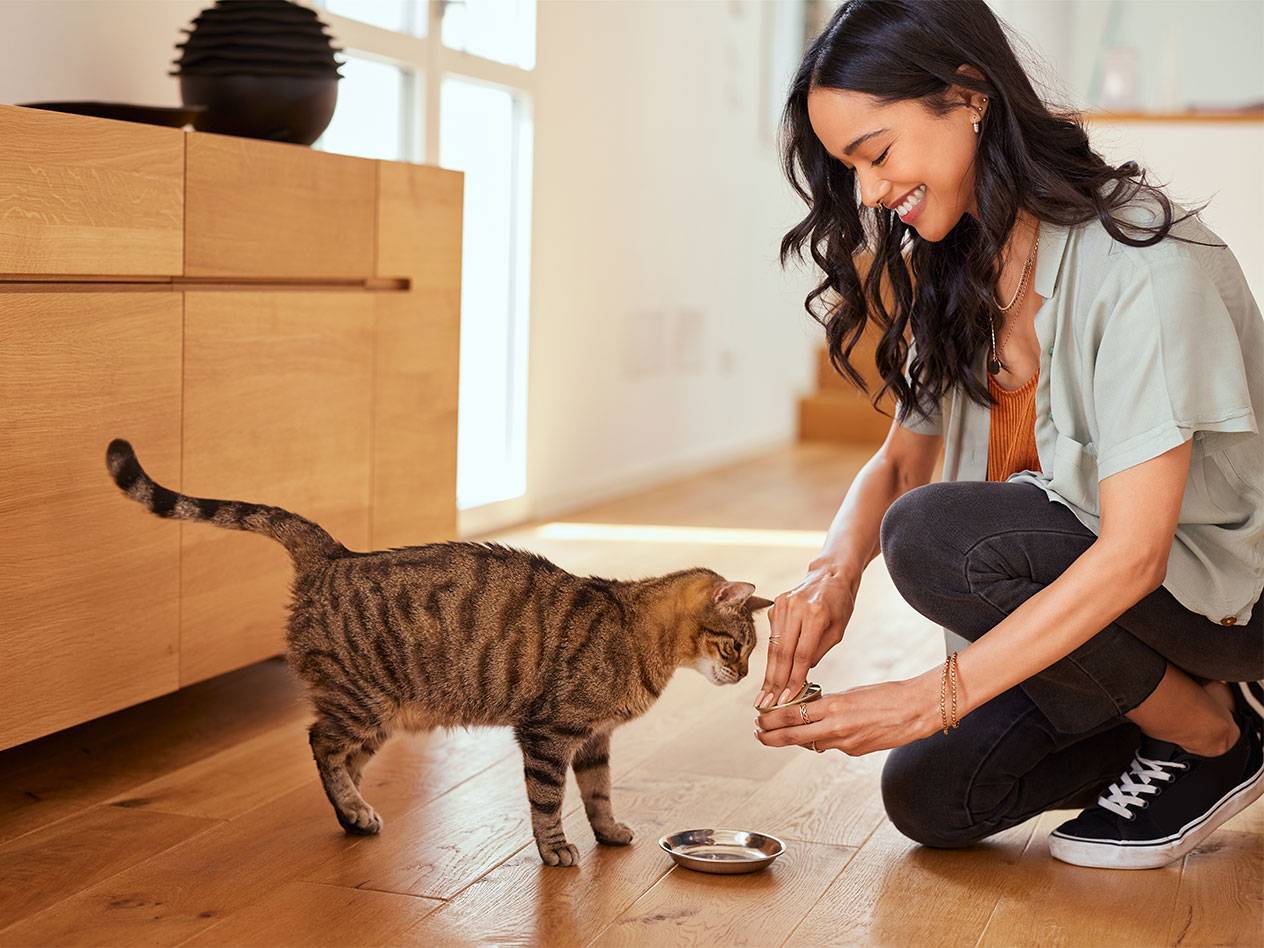
How to tell the transition is a success
Is your cat eating with a healthy appetite, is their digestion regular and are they as playful as ever? Wonderful – that means they've accepted the new food. Just keep a close eye on them for the first few weeks. If they continue to refuse food or have digestive problems, a trip to the vet is the right choice.
Good things come to those who wait for treats
Changing your cat's food isn't a sprint, it's a leisurely stroll. With our 7-day plan, established routines, and a bit of patience, your feline friend will comfortably adapt to their new food. Discover our cat food range now – with clear ingredients and textures to win over any gourmet.